
Online safety is an increasingly important part of safeguarding, as young people are exposed to a fast‑changing digital world that can shape their wellbeing, behaviour, and sense of security.
Educators play a vital role in helping pupils navigate online risks and recognise harmful content, supporting early intervention and safer digital habits.
In this Educate Against hate Spotlight newsletter you can find information and support on:
- Understanding the impact of viewing, downloading or sharing extremist content online.
- Updates to the Act website to increase awareness of the consequences of accessing or sharing terrorist content.
- The new government website dedicated to supporting families with staying safe in the online digital world.
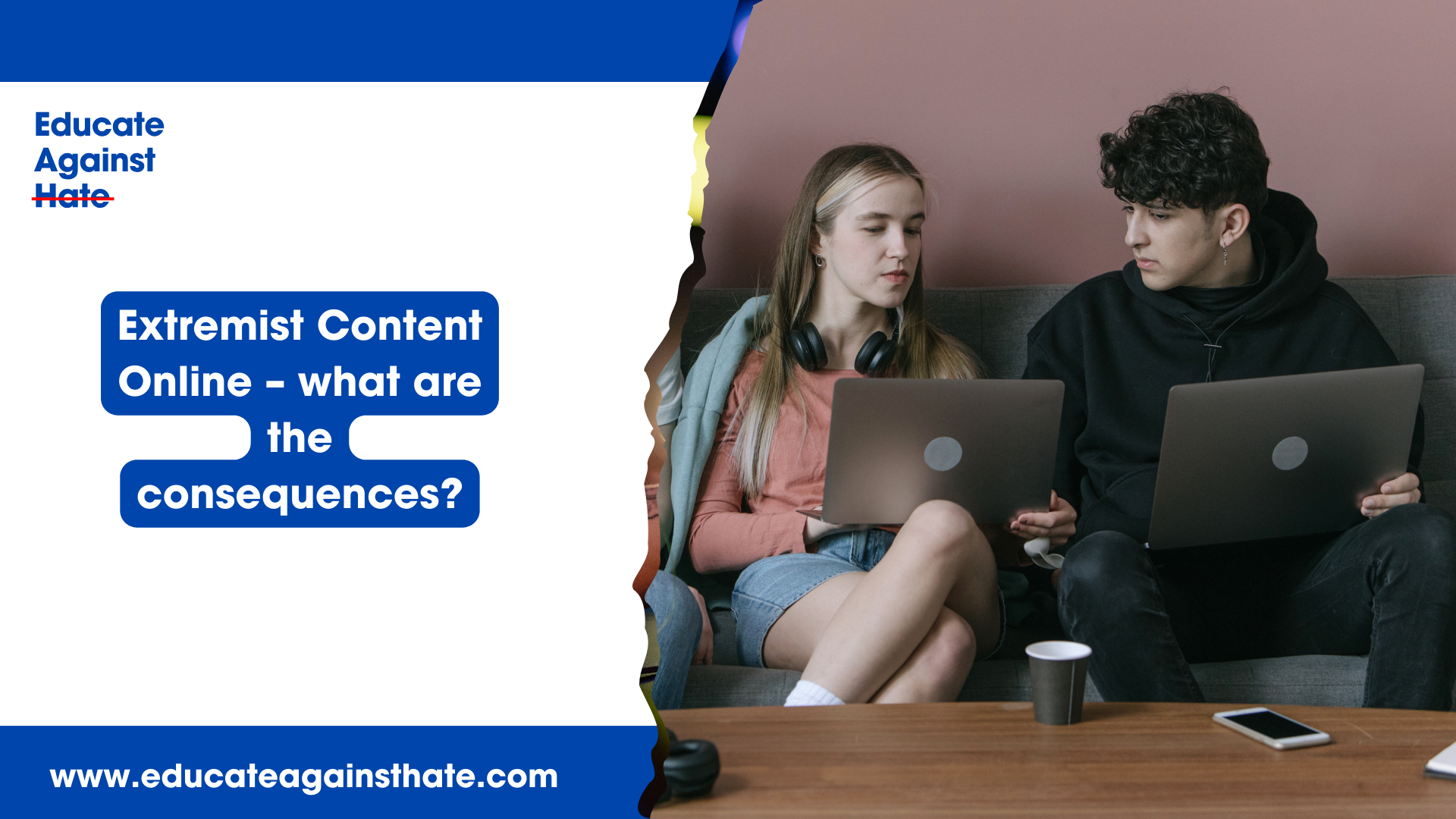
Teachers and school and college leaders, play a key role in recognising how exposure to extremist content can affect pupils’ wellbeing, behaviour, and safety. Research indicates a rise in minors appearing in extremist‑related investigations across the UK and other countries, with children becoming entangled in harmful online ideologies. This exposure can shape a young person’s worldview, increase vulnerability to manipulation, and undermine their sense of belonging in school.
Extremist content often appears in everyday online spaces – gaming servers, memes, influencer culture, and algorithm driven feeds – making it harder for young people to recognise harmful messaging. These algorithms can normalise extremist narratives by embedding them within the humour, language, and peer interactions typical of youth culture. Teachers may observe subtle shifts in attitudes, including increased cynicism, polarised thinking, or normalisation of hateful language, when young people are exposed to extremist content online
Adolescents can be more vulnerable than adults, due to their limited critical thinking skills and heightened sensitivity to peer influence. Recognising the early signs and talking to children about their online experiences is therefore crucial.
To support education staff to start those important conversations on online safety, Educate Against Hate now hosts posters that can be downloaded and displayed in schools and colleges, in classrooms and staffrooms to enable discussions about what young people are encountering online.
Counter Terrorism Policing has seen a concerning increase in terrorist content being accessed and shared by boys aged 13–17. This has led to higher casework volumes and Prevent referrals, including cases where young people have been unwittingly drawn into Terrorism Act offending online, alongside those with more deliberate intent.
In response, Counter Terrorism Policing has developed a targeted youth education and deterrence campaign, led by CTPHQ Communications in close collaboration with operational colleagues and partner agencies. The campaign is informed by focus group research with young people, which highlighted that clear, real-world consequences are particularly effective in cutting through to this age group.
Launched in mid-February to align with the half-term period, the campaign will run until 17 March. It features two short, TikTok-style videos tailored specifically to boys aged 13–15 and 16–17. The content focuses on the legal and personal consequences of accessing and sharing terrorist material online, reinforcing the message that “what you share leaves a trace”.
The campaign is supported by a paid media rollout on TikTok and YouTube, alongside a media launch, internal and digital communications activity, and a dedicated page on the ACT website. The page provides clear guidance on what constitutes terrorist content, the risks of sharing it, and how young people, parents and professionals can report concerns.
Together, this activity aims to deter harmful behaviour, increase awareness, and support early intervention to keep young people safe online.
Children’s lives are shaped by the experiences they have, including from the online world. This can be through learning, gaming, socialising or exploring.
Having access to the internet brings many benefits to children, but it can also create risks that families may not know how to manage.
With so much information available, it’s easy to understand why parents and carers can feel overwhelmed and unable to find the right support or advice about how to help keep their children safe online.
We’re launching ‘Kids online safety’, a new website created in conjunction with the Department for Science, Innovation and Technology (DSIT) and their media literacy campaign.
The campaign aims to support families and encourage regular conversations about what they’re seeing online, asking simple questions, like “who shared this” and “why?”.
The site has been designed to meet the needs of parents and carers by providing a trusted place for content that gives:
- conversation tips to have with children about online safety
- actions to help you support each stage of a child’s life online
- parental controls information
- support and reporting information for various risks, harms and issues
It provides clear information which recognises the challenges and fast changing nature of the online digital world.
In addition, it will also sign post to trusted resources from charities and 3rd parties, where parents and carers can get other forms of support (like speaking to an expert).
The website will continue to grow and be developed this year and will support the Online Safety Act and wider government aims.
Further sources of support:
Digital Matters: Managing Online Information
Online Misinformation & the UK Riots