

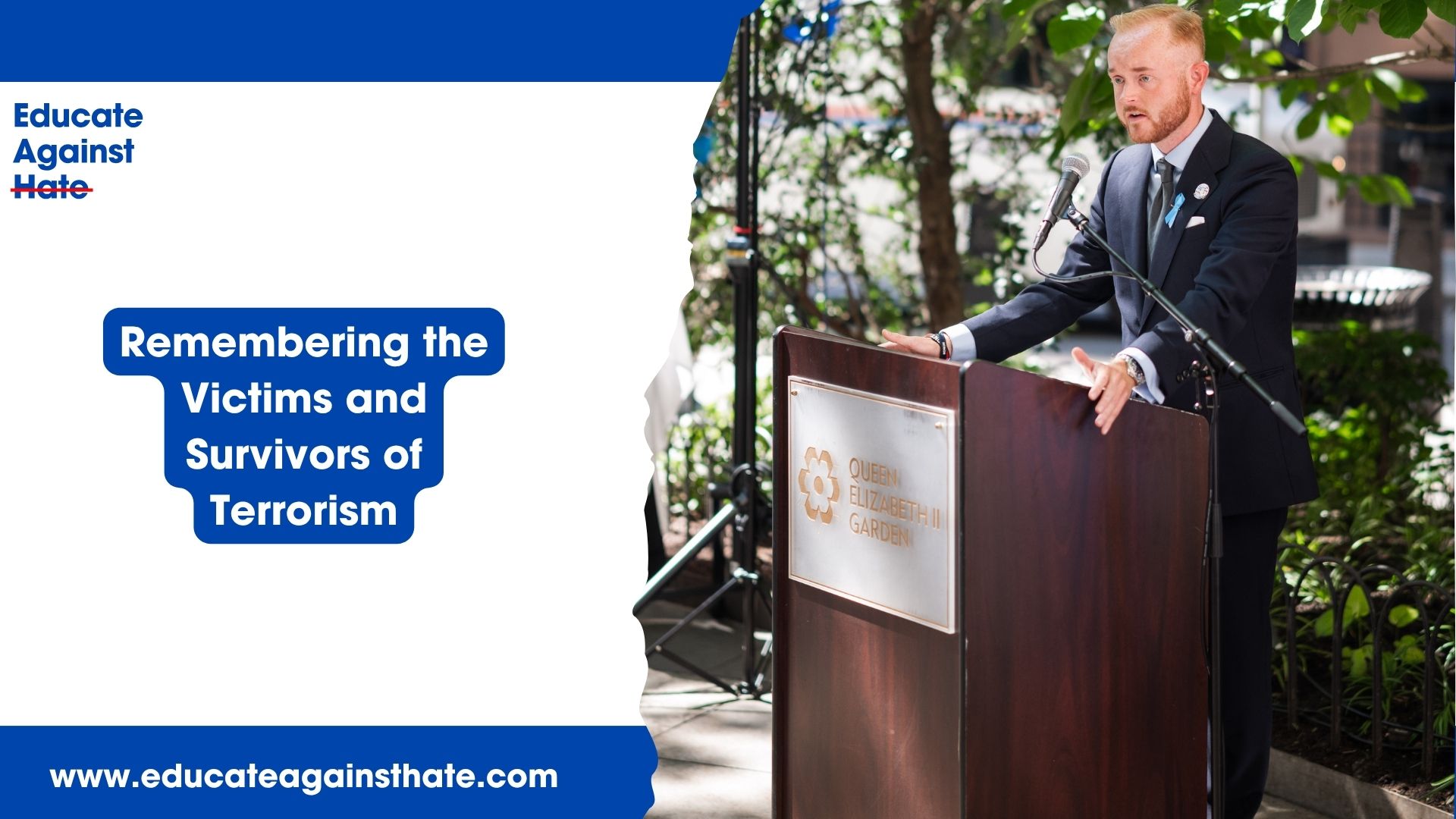
By Travis D. Frain OBE DL, Survivor of the Westminster Bridge attack and Director of Resilience in Unity
When I think back to 22nd March 2017, I don’t only remember the attack on Westminster Bridge that left me and my classmates amongst the injured, I remember the people who ran towards danger, the strangers who stopped to help, and the friends and community who came together to support us. That instinct, to look out for one another, is the same instinct that can stop an attack from happening.
On the 21st of August, the nation will come together for the first time in history to mark the new National Day for Victims and Survivors of Terrorism. It is a day to honour those we have lost and to stand with the survivors who live with the trauma. But remembrance, on its own, is not enough. I believe this day can, and should be, a powerful opportunity for us to all play our part in preventing the next attack – and the education system should be at the heart of that.
So, I’m writing this as a direct call to action for every teacher, everyone working to support our young people through their education, and indeed to every student.
No one is born an extremist. People are drawn in, often when they feel isolated, angry, or are grieving. The extremists who spread hatred and seek to radicalise know this, and they offer that sense of belonging to people who feel they have nowhere else to turn.
As educators in schools, colleges, and universities you see young people every single day. You are the ones who will notice the changes, large and small, that others may miss. You are uniquely placed to spot when something isn’t right, and to step in before harm is done.
Radicalisation rarely looks dramatic. It can show up as someone withdrawing from their friends, becoming secretive about what they do online, adopting a rigid “us versus them” view of the world, or beginning to justify violence or drastic action. These signs may not guarantee in and of themselves that radicalisation is taking place, but a pattern of change is worth a conversation. You don’t need to have all the answers; you simply need to voice your concern.
Behind many of these warning signs is a young person who is struggling. Supporting their wellbeing is not separate from protecting them from extremism – it is central to it. A student who feels seen, heard, and genuinely connected to the people around them is far less vulnerable to those who may try to exploit their pain.
I recognise that the date of this new National Day, August 21st, is not ideal for those working in education. But in the weeks leading up to, and after, the date, I would urge you to make the most of this opportunity. Remain prescient of your safeguarding responsibilities, facilitate conversations on these difficult topics and, where possible, invite survivors to share their story with your students; lived experience can be a powerful tool to personify the human cost of extremism in a way that statistics never truly can.
At Resilience in Unity, we’ve travelled the country far and wide to place survivors’ voices at the heart of countering hate in schools, colleges, and universities, and if you’d like us to visit your institution then please do not hesitate to get in touch.
I survived. Many people did not. I have chosen to spend my life making sure that fewer families have to live with that loss, and that fewer young people are drawn down a path that ends in violence. You don’t have to be a survivor to be part of that work, you just have to care for the people around you and look out for one another. This 21st August, let’s turn remembrance into action.
Biography:
Travis Frain is a survivor of the Westminster Bridge terrorist attack in March 2017. He currently runs Resilience in Unity, an organisation that is dedicated to producing counter-extremism and Prevent workshops with lived experience and personal testimony at the heart of their delivery. Their network of victims and survivors spans every attack affecting British citizens over the past 20 years, and their survivor-facilitators deliver workshops across the country to students and staff.
Next Steps:
- Visit the Resilience in Unity website to learn more about their work.
- Contact Travis Frain for more information: travis@resilienceinunity.com.