Welcome to the June edition of the Educate Against Hate newsletter. This month’s newsletter includes:
- Building Resilience to Extremism – new training resources for schools and FE settings
- New suite of RSHE lesson plans on AI deep fakes
- Understanding the world of online gaming – new training offer
- Project Strong – AQA Unit Award
- Independent review into antisemitism in schools and colleges – a call for evidence
- Nova Exhibition – a free immersive learning experience
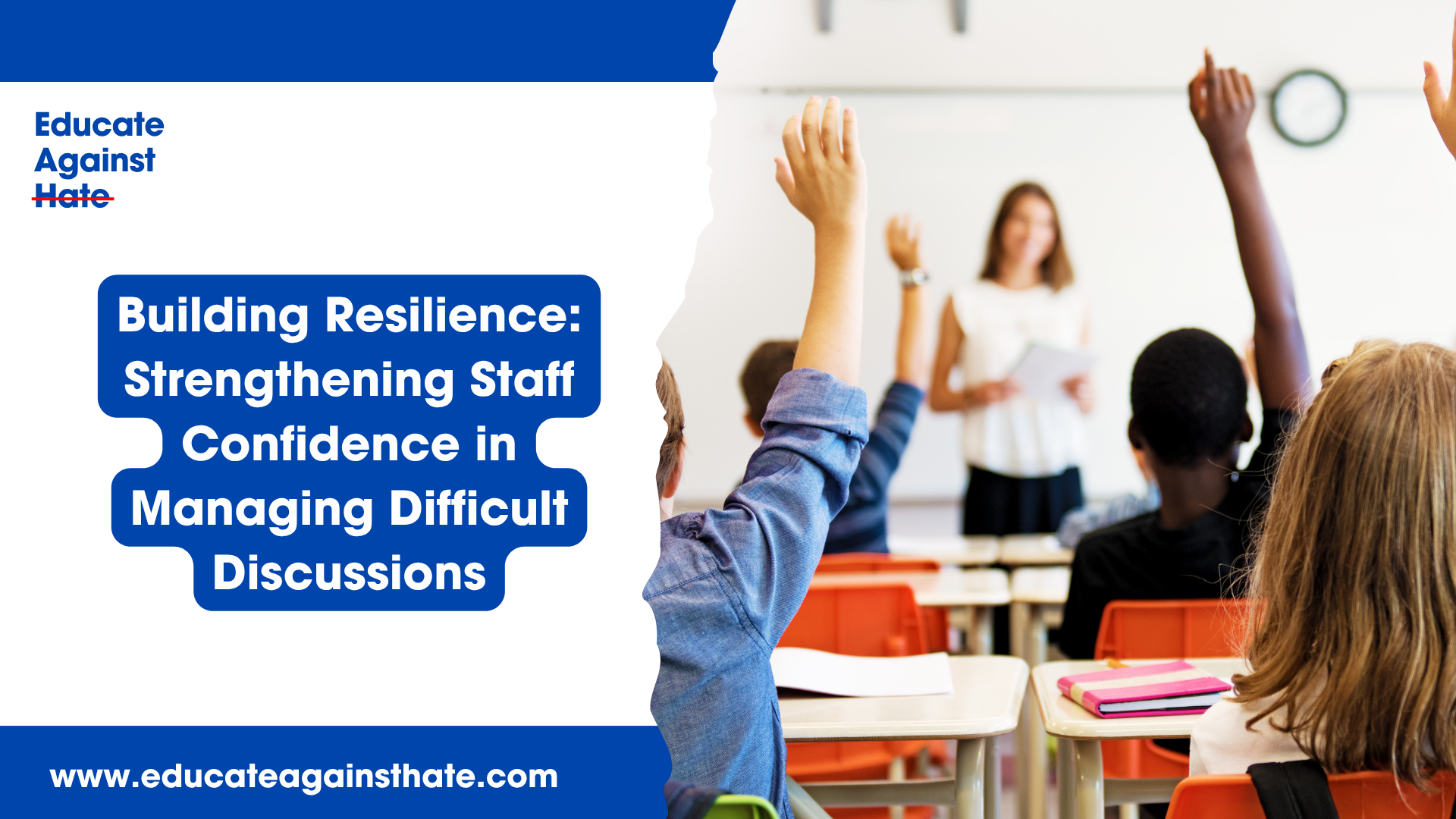
To support staff in schools and colleges, Educate Against Hate has worked with Connect Futures to develop a comprehensive suite of training packs designed to build confidence across schools and colleges, in managing sensitive and controversial topics safely, lawfully and consistently. The resource suite forms part of a wider effort to embed a resilient, leadership led approach to difficult discussions. The training packs include:
Resilience Ambassador Programme
A peer led model where trained staff act as internal champions – supporting colleagues, advising on local and national risks, and coordinating communication and teaching responses following divisive events.
Staff Training Modules and E-Learning
A series of 60-90-minute modules covering teacher impartiality, handling controversial issues, and managing structured debates. These modules strengthen professional confidence and help protect settings legally and reputationally. Designed to be delivered in bitesize sessions during INSET sessions, with additional, flexibile e-learning modules to use as training materials for individual teachers
Ready-To-Use Classroom Activities
Low preparation, adaptable tools – discussion games, debate formats and roleplay scenarios – to help teachers embed safe practice immediately.
Together, these resources provide a coherent, practical and protective framework that ensures teachers are not left to manage complex societal issues alone. They are designed to support schools and colleges with approaches that reduce the risk of radicalisation based on research evidence.
We’re keen to work with schools to pilot these training materials and gather feedback on their impact or how they could be improved. If you’d like to work with us to develop these resources further please register your interest.
Building Resilience to Extremism – Teacher Training
Inviting external speakers to your school, attending an event or attending an external venue to hear from a particular speaker can be a great way of providing a safe space for students to engage with a variety of issues and hear and debate different perspectives. Schools have a responsibility to ensure that the speakers are suitable and that all safeguarding procedures are followed.
We’ve recently updated our guide to support schools to undertake proportionate due diligence when either hosting speakers at your school or taking pupils to hear a speaker at an external event or venue.
The PHSE Association, with support from the Home Office, have created a suite of RHSE lesson plans for key stages 2-4 on AI deepfakes. The resources aim to provide all schools access to the tools and strategies to educate about deepfakes and protect children and young people from AI-generated sexual imagery.
The materials for KS3/4 meet schools’ statutory RSHE requirements to teach about AI-generated sexual imagery and deepfakes within the context of understanding about healthy relationships, wellbeing and consent.
The upper KS2 materials prepare the ground by focussing more generally on related online risks – including that any realistic photos and videos that are created with generative AI have potential to be circulated widely, and where to get help should they feel worried or concerned about something they have seen or engaged with online.
Level Up Safely! by the Christchurch Call Foundation is an e-learning course, designed by experts for parents, guardians, educators, and caring adults. Across five interactive modules, available on demand at your pace, you’ll learn:
- What the world of online gaming looks like today, with simple explainers to break down the gaming ecosystem
- How online harms, including harassment, bullying, violent misogyny, and violent extremism, can impact children and young people
- Evidence-based warning signs to look out for
- Practical advice for having challenging conversations with young people
- Support and referral pathways if you need further help
This course aims to improve your knowledge, understanding, and strategies to build your confidence in helping the young people you care for navigate online gaming spaces more safely.
If you are an educational institution or larger group interested in receiving additional free webinar trainings or have any questions, contact catalyst@christchurchcall.org.
Project Strong is an educational programme by SINCE 9/11 for young people aged 13–24, particularly those in alternative or underrepresented learning environments. Through online sessions, the programme breaks down complex ideas to help young people recognise, understand, and challenge extremist influences. Learning is captured in a flexible digital workbook, linked to AQA Unit Award Building Respect, Staying Safe, and Challenging Harmful Extremist Influences (Level 1).
The course typically takes around 10 hours, but delivery is flexible to suit different learners. It can be delivered one-to-one, in small, targeted groups, or in classroom settings.
On completion, centres registered with AQA can submit students’ work for certification. For eligible non-mainstream providers in Greater London, SINCE 9/11 may be able to support submission and cover certification costs. Register your interest.

Antisemitism is a national issue that affects every part of the country, not only areas with a high Jewish population. Recent deeply troubling attacks on the Jewish community have further highlighted the importance of this review and the impact antisemitism can have on the safety, wellbeing and sense of belonging of Jewish pupils, students and staff, wherever they live or study.
The independent review into antisemitism is inviting views through a call for evidence from schools, colleges and individuals across all regions, including those without a significant local Jewish community. Professional insights and experiences from across the sector are essential to building a full national picture. The review will recommend practical actions, for the Department for Education and sector leaders.
The call for evidence closes on 1 July 2026.
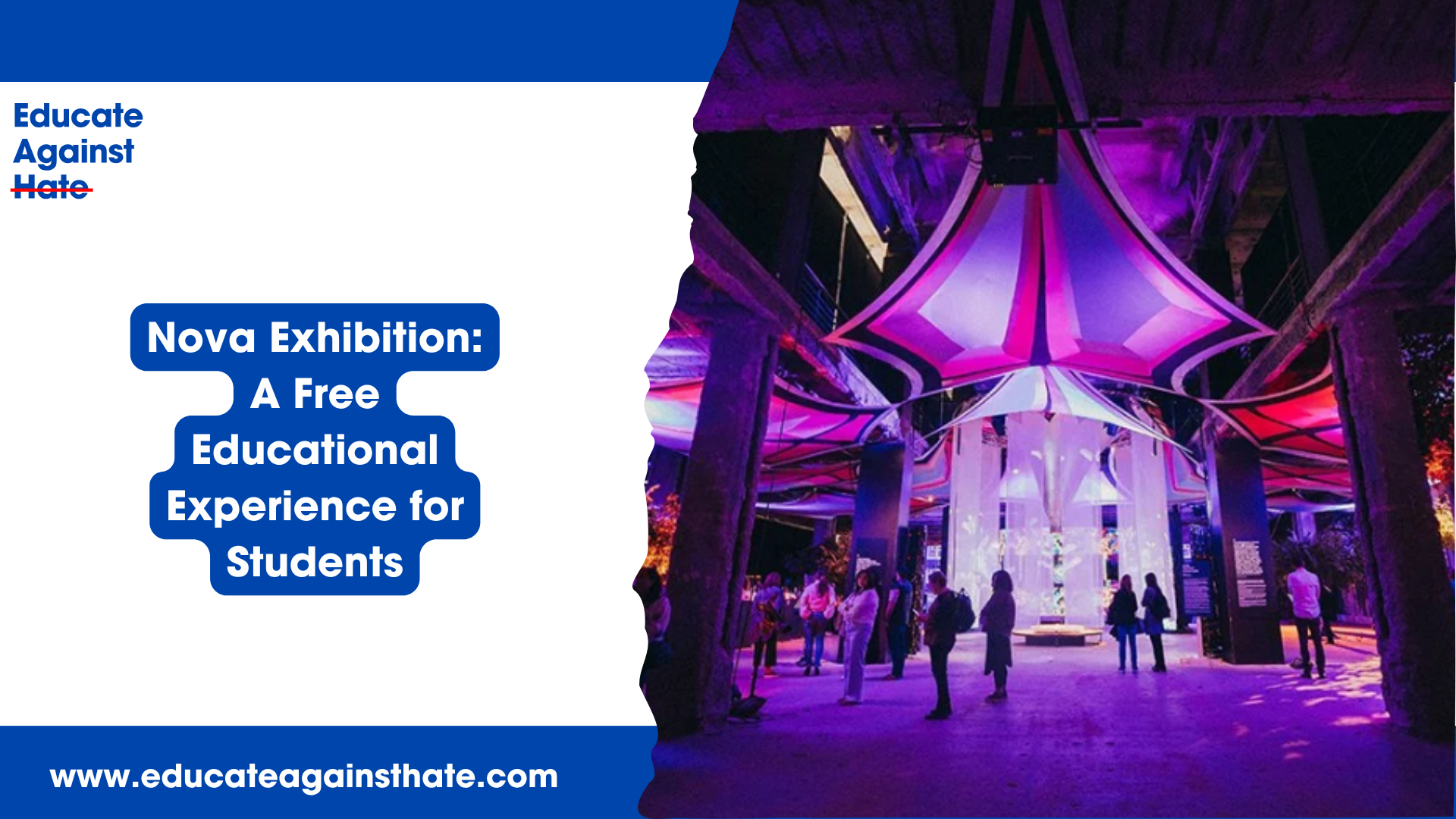
Opening in London on 20 May 2026 for six weeks, the Nova Exhibition offers a unique and impactful learning opportunity for secondary school students and educators.
This free immersive exhibition documents the terrorist attack at the Nova Music Festival on 7 October 2023, where 411 young people lost their lives. Students are guided through the events of the day, gaining a deeper understanding of the human stories behind the headlines.
The exhibition supports learning around extremism, resilience, media literacy and community cohesion. It is entirely non-political and does not address the wider Israel-Palestine conflict.
A dedicated schools programme is available for Year 7+ students, with curriculum-linked resources to support learning before and after visits.